Fencing Company Advantages And Disadvantages of Horizontal Secure Fencing
On a gusty spring morning, I walked a slim city lot with a homeowner who had a Pinterest board packed with smooth, café-worthy backyards. She wanted a horizontal fence, tight slats, smooth cedar, an exclusive lounge ambiance. The footprint was tiny, the neighbors were close, and the spending plan had shake space. Perfect canvas, she thought. I gauged, considered the quality, and considered the cottonwood flexing throughout the alley. Perfect, I believed, but just if we treat it like a structure, not a prop. That is the secret with horizontal fencing. It appears like furniture. It behaves like a tiny building.
If you are weighing whether a horizontal fence fits your lawn, your spending plan, and your climate, this is the ground truth from the side of the tape measure.
What we indicate by straight fencing
A horizontal fence runs the boards parallel to the ground, normally secured to vertical messages with straight rails or with metal networks. The design started as a modernist take on garden displays and now appears all over, from small outdoor patios to long cattle ranch borders. Variants include tight privacy slats, open slats with consistent voids, shadowbox formats that alternate board placements for airflow, and picture-frame layouts that trim the border for a furnishings finish.
Materials established the tone and the maintenance contour. Western red cedar is the common choice best fence company for a cozy, secure softwood. Redwood ages wonderfully but sets you back much more and is tough to source in some markets. Thermally changed woods stand up to motion however can be fragile at bolts. Exotic hardwoods like ipe carry premium life-span and rate, and they need pre-drilling and stainless screws. Composites and PVC supply shade security with less maintenance, though they can oil-can in warm if not braced well. Powder-coated aluminum or steel slat systems produce crisp lines and disregard rot, however they reflect sound and reveal dents.
Posts are generally pressure-treated pine or steel. For long, dead-straight runs, I prefer steel blog posts with concealed brackets. Wood messages can work, but straight secure fencing demands tighter resistances and stiffer framing than a common vertical picket layout.
At a glance: the top trade-offs to consider
- Looks costs and lengthens small lawns visually, but requires crisp woodworking and straighter lumber than upright fencings.
- Lets you tune privacy and air flow with space sizes, however solid versions catch even more wind and need stouter posts.
- Can be developed from nearly any kind of material for customized styling, however dissimilar development rates across mixed products can warp lines.
- Ages into a silvery modern-day aging if left unattended, however unequal UV exposure telegraphs as zebra striping without consistent upkeep.
- Feels improved and silences a room when built well, but acts like a ladder for mountain climbers if boards are spaced like rungs.
Each line above holds a practical fork in the road. Determine which side you appreciate a lot of prior to you acquire a solitary board.
Where horizontal fences shine
Horizontal lines relax a busy yard. They extend the eye side to side, so slim areas really feel wider. On portable urban whole lots, that aesthetic technique issues greater than any type of plant option you make. If you establish a 1/2 inch space between slats, you can obstruct direct sightlines while allowing light and wind string with. That maintains outdoor patios brighter and reduces the sail impact during storms.
The style also commemorates material in a manner vertical pickets do not. A cedar fence with a picture-frame border and stainless trim screws reviews like a crafted things. Powder-coated steel slats deliver the exact same polish and set nicely with steel planter boxes, bistro lights, and architectural gravel. If your home has long rooflines, clerestories, or a mid-century spirit, the fence ties the whole scene together.
There is additionally a sensible side. Straight rails sit behind the slats, so you can install racks, pipe reels, or personal privacy screens without dealing with rotating pickets. I have constructed recessed particular niches for firewood and bike hooks right into the bay in between blog posts, which looks willful and keeps mess out of sight.
The structural truth most individuals miss
With upright fence, gravity and wood activity pull boards down along their length. Rails and nails can tolerate a little bit of wander. In a straight layout, each slat wishes to sag outside over time. Sun heats the leading sides erratically. Bolts take even more bending tension. If your articles flex, the entire run telegrams a wave.
Translation for the area: minimize spans, stiffen posts, and upgrade bolts. On a regular 6 foot high horizontal fence a windy area, I established posts no more than 6 feet on center, typically 5. I hide footings listed below frost line with a minimum of 80 extra pounds of concrete per opening, much more for soft dirts. I favor steel messages with flexible brackets for timber slats, which keeps lines limited and allows tiny modifications after the very first period. If you stick with timber articles, make use of a larger area, support entrances properly, and include an extra mid rail.
For slats, thicker stock acts far better. Lots of big-box packages make use of 5/8 inch boards that look great the day of mount. A year later you will see twist, cup, and babble. I like a true 3/4 inch cedar or a 1 inch composite slat with a support rail at 24 to 30 inch periods. Pre-finish the boards on all sides before set up to reduce moisture cycling.
What wind, water, and incline do to horizontal
In heavy wind, a tight, gapless horizontal fence acts like a signboard. It requires stout posts and bracing. If your site remains on a hallway that channels gusts, space the slats. Even a 1/2 inch space lowers stress and prolongs the life of your bolts. In cyclone or grassy field wind zones, examine local codes. Some districts require crafted illustrations for strong fencings over a particular height.
Water is subtler but crueler. Straight edges hold droplets, and capillary action draws wetness along the board. That is why tarnish failings show up as black lines on the bottom of each slat. A moderate bevel on the top edge, pre-sealing, and constant airflow all help. Keep the lower board at the very least 2 inches above grade so mulch and soil do not wick water right into the wood.
On slopes, horizontal can look incredible or careless. You have two courses. Tip the surround degree sections, which develops a graceful, terraced effect, or rack the slats to adhere to the terrain. Real racking with straight boards demands broader spaces on the high side and narrower on the low, which can look fine at mild inclines however goes odd on steep grades. If your quality adjustment is greater than eight inches over 8 feet, I recommend tipped bays with a picture-frame trim that carries your eye easily along the line.
The climbability question
Security is not just about height. Horizontal slats can develop a ladder. If you set standard 3.5 to 5.5 inch boards with a big toe gap near grade, an agile young adult can scale it quick. This does not imply you ought to skip the design. You can disrupt the climb by minimizing lower voids, making use of narrower slats near all-time low, or switching to a leading cap with a flush surface so there is no simple handhold. Steel slats with a smooth face likewise reduce grip.
Pets elevate identical considerations. Small dogs and felines jab with straight voids like it is a puzzle made for them. For yards with escapee, go tighter on the bottom third, or add a concealed welded cord mesh behind the initial 2 feet.
Numbers that matter when you build
Let us translate layout right into field rules. For a six foot personal privacy run made from cedar slats over timber rails, maintain post spacing at six feet or much less. Usage 4x6 wood articles or 2.5 inch steel messages set in concrete footings 24 to 36 inches deep, relying on frost. Use coated structural screws or ring-shank nails, but know that screws hold positioning better. Place a minimum of 3 rails behind the slats, often 4 for thinner supply. If your boards are 5.5 inches high, established a consistent 1/2 inch gap with spacers so lines remain true. Pre-drill hardwoods and composites to stay clear of splitting and mushrooming. If you are blending wood slats with steel posts, isolate different metals with covered equipment or composite shims to avoid galvanic surprises.
For coatings, a penetrating oil shows the grain and is easier to revitalize. Intend on recoating every a couple of years in warm direct exposure, 3 to five in shade. Film-forming stains look abundant initially, after that fracture and peel as boards relocate. If you dislike maintenance, select a pigmented oil in a mid tone that conceals UV graying gracefully.
Field stories: what went right, what showed us
On a lake whole lot in the Midwest, we developed a 60 foot straight fencing making use of 1x6 thermally modified ash on steel messages at five foot facilities. The website took southern wind right off the water. We made use of a regular 5/8 inch space, a slight bevel on the top sides, and stainless trim-head screws. Three winters months in, the line is arrow-straight, and the boards bring a soft bronze tone. The proprietor oils it every other summer with a pump sprayer and a rag pass. That uniformity matters greater than the brand name of oil.
Across community, a client demanded strong straight 1x4 pine on eight foot message centers to save expense. The fencing looked tidy on the first day. The initial thunderstorm rattled it. By autumn, evictions drooped and the mid rails telegramed a bow. We returned, reduced new article openings in between every other span, sistered the rails, and replaced a quarter of the slats. The customer paid more than the initial quote to repair what tight spacing and much better products would certainly have stopped. That job left me with a mantra I repeat to every home owner thinking about horizontal lines: fewer articles are not a financial savings if you have to chase after the straight line for the following decade.
Maintenance, plain and simple
Horizontal secure fencing needs a bit even more attention than upright, primarily since the eye captures misalignment. Plan a yearly walk. Look for raised screws, cupped boards, and flaking finish. Snug what moves. Laundry with a gentle cleaning agent and a soft brush in springtime. Stress washing machines welcome furrows in soft wood, so maintain the nozzle at a range if you have to use one.
If you select composite, rinse dirt and plant pollen, and deal with mold and mildew areas with a manufacturer-approved cleaner. Expect some fading in the first period as pigments resolve, after that relative stability. Powder-coated metal desires nothing more than a clean and a check of fasteners. Prevent weed-whacking the base. Trimmer string chews via coatings and subjects raw metal or fiber, which starts the clock on deterioration or swelling.
Longevity varies. Untreated cedar left to weather can last 12 to two decades relying on environment and air flow. Oiled cedar can push past that with consistent treatment. Exotic hardwoods go 25 years and more with stainless fasteners and experienced woodworking. Steel systems differ by finishing quality however commonly exceed twenty years with very little hassle. Gates usually fall short initially. Hang them on stronger articles with robust joints and diagonal bracing, and you get on your own silent mornings.
What it sets you back, and why the variety is wide
Markets turn, yet you can use approximation to strategy. A site-built cedar horizontal fence usually runs 35 to 60 bucks per straight foot for 6 foot height when developed by a specialist staff. Upgrades like picture-frame trim, steel messages, stainless fasteners, and limited board choice can press that to 70 or more. Composites drop in the 60 to 100 buck array due to the fact that the product and equipment are more expensive, though you may save money on finish help the following years. Aluminum or steel slat systems vary from 80 to 140 and up depending on blog post type, powder high quality, and custom gates.
DIY can cut in half labor expenses, yet device rentals, waste, and modification runs creep in. A new home builder usually takes too lightly time. Establishing and truing posts consumes days, not hours. If the appearance you want relies on perfect reveals and razor-straight lines, an experienced fence installer earns their keep.
Working with a pro: how to pick the right Fencing Contractor
Horizontal fencings magnify little mistakes. An experienced Fencing local top fencing contractor Contractor or Fence Company brings jigs, spacers, and the persistence to turn down boards that do not belong. When you interview Fence Contractors, ask about blog post spacing, fastener selections, and exactly how they deal with slope. Shops that develop a lot of decks frequently cross over well since they think like , not simply picket installers. The most effective fencing installer will possess a tale regarding a job they fixed and what they changed the 2nd time.
Here is a short pre-hire checklist to keep you on solid footing:
- Show me a straight fence you constructed 3 or more years earlier and tell me what you would certainly do in a different way today.
- What is your standard message spacing, post dimension, and footing depth for a six foot solid run in my zip code and dirt type?
- Which fasteners and coatings do you make use of for my chosen material, and why those over the alternatives?
- How will you manage this slope, and can you illustration tipped versus racked alternatives with cost and look distinctions?
- What is your plan for gates so they do not droop, and how do you service warranty them?
A Fencing company that answers these without a sales blur is worth the premium. If you favor to DIY, consider employing a fence installer just for format and messages. Getting the backbone right offers you area for patient finish work.
Installation rhythm that sets you up for success
Great straight fencings begin with a string line and overkill on design. I draw two lines, high and low, and set batter boards well past the run so strings endure foot website traffic. Blog post openings go in much deeper than you assume and larger than you intend to dig. Bell all-time low of the opening so frost heave does not jack the concrete. Utilize a dry combine with a wet set only if your dirt drains pipes. Plumb each post in 2 directions, support it, and leave up until the collection is true.
Rails or networks come next. Keep them dead level. Shuffle messages with shims or braces before you ever touch a slat. Pre-finish boards on sawhorses. Figure out the wild ones for short bays near gateways or compost them. As you mount slats, make use of rigid spacers. Rubber wedges transform thickness under pressure and provide you a wavy reveal. Go back every four feet. The human eye catches tiny drifts. Appropriate prior to you pile errors.
Gates are entitled to a 2nd paragraph. Construct them like a ladder with a diagonal brace that lugs weight into the hinge post. Hardware should be at least as stout as the bordering frame. Strategy a little adjustability in the joint set. Gravity always wins. You desire area to tune later.
Codes, neighbors, and lines you should not cross
Cities care about elevations near roads, view triangulars for driveways, and material options on edge whole lots. Some call for the completed side to encounter the next-door neighbor. Home owners associations go further with style guidelines. Bring your layout to the table early and obtain composed approvals. Few things sour a task much faster than a quit order after the blog posts set.
Respect property lines with a survey, not with guesswork. I have seen fences an inch over the line come to be suits. In limited areas, speak with your next-door neighbors. Show them the strategy. In some cases they will divide cost if you construct a shared line and surface both sides.
When horizontal is worth it, and when one more design makes even more sense
If you crave a modern-day, cohesive appearance and you can purchase much better structure, horizontal is a happiness. It manages tight city areas with dignity, tucks storage right into bays, and can last decades if you choose products wisely. If you survive on a subjected ridge with constant high winds and you desire a dead-solid six foot wall at the most affordable price per foot, vertical board-on-board may be the smarter relocate. If you own a pack of edgy pets, an upright style with flush seams develops less footholds.
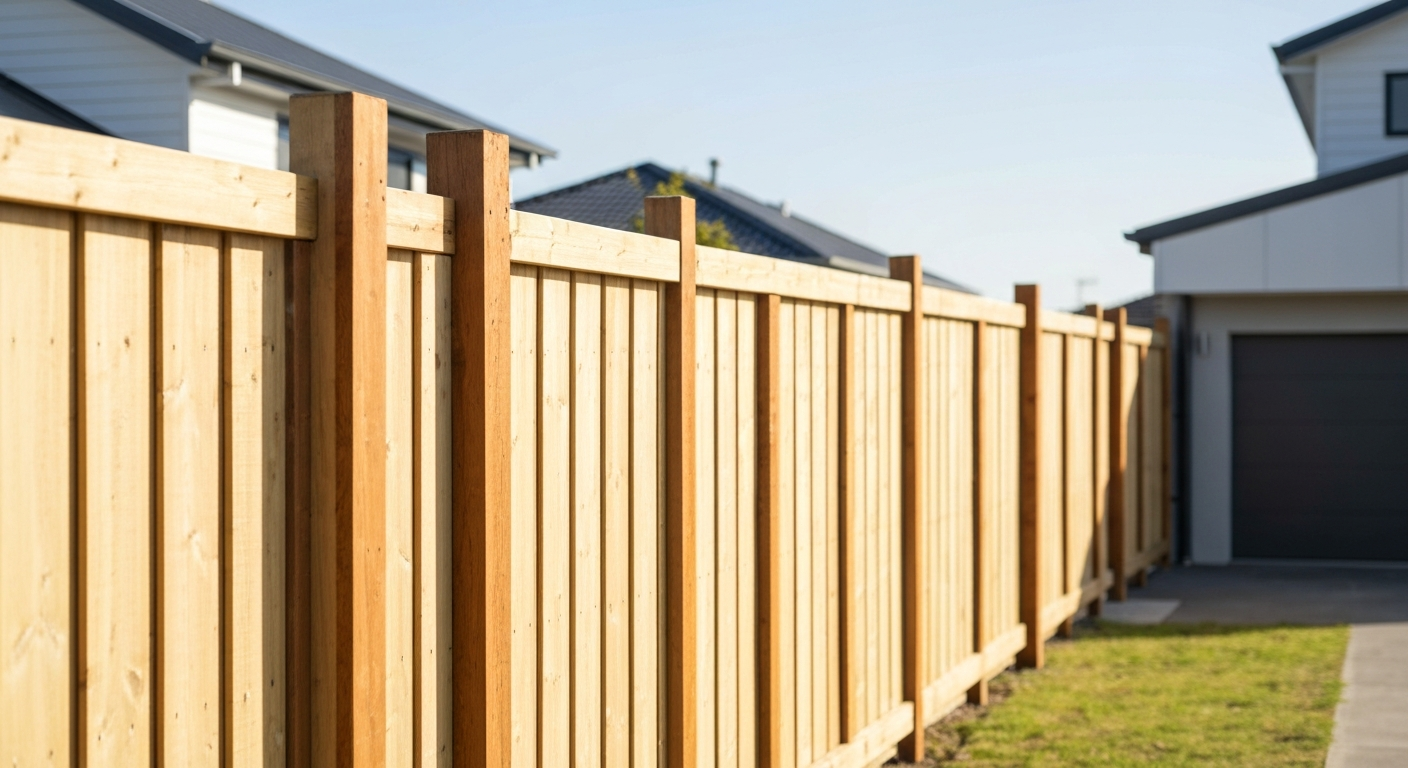
Some home owners split the difference. They use straight along the patio area where the eye remains, then change to upright along long yard runs to reduce price. Made with a thoughtful edge detail, the mix reads deliberate and maintains spending plans honest.
The bottom line from the jobsite
Horizontal fence benefits self-control. It asks you to care about straightness, board choice, and equipment in such a way vertical fences sometimes forgive. When you partner with a knowledgeable Fence Company or a detail-minded fencing installer, the result feels like style, not just a boundary. If you go it alone, decrease, build stout, and accept the little routines that keep lines real. I have stood in fresh color under a brand-new horizontal fence and felt a backyard click right into place. The room quiets, the horizon stretches, and need to string café lights arrives uninvited. That feeling is why the style withstands, and why, with eyes open to the compromises, it may be the appropriate require your following boundary.